Raising Ryland

RylandRyland Whittington is our star cochlear implant user! His parents thought that having a deaf child would be a challenge. Today, Ryland’s hearing is a ‘non-issue.’

His story up to getting his implants is featured here on CochlearImplantHELP.com. But take a look at the amazing events that have happened in his life, and at the incredible love, understanding, and support he is receiving from his parents and his community. Watch it now on CNN.

Cochlear CI512 Officially Returns to Market

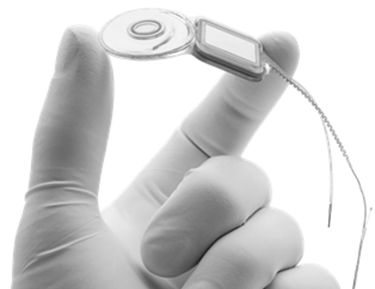
Profile implantCochlear announces the return to market of the CI512 implant. With a new name, ‘Profile,’ the implant is the thinnest implant available today. As always, full specifications are available on our Cochlear Implant Comparison Chart.

Read the press release here!

Advanced Bionics Receives CE Mark Approval For Cochlear Implant Use In Patients With Single-Sided Deafness

Valencia, Calif., March 9,  2015— Advanced Bionics (AB), a global leader in cochlear implant technology and a company of the Sonova Group, announced today that the HiRes 90K™ Advantage  cochlear implant, with the HiFocus™ 1JHiFocus Helix™, and HiFocus™ Mid-Scala electrodes, have received CE Mark approval from the European Notified Body, TÜV, to be implanted in patients with unilateral (asymmetric) hearing loss, also known as single-sided deafness (SSD).

Three recent study reviews show that SSD patients with cochlear implants have improved sound localization abilities and better perception of speech in noise, two areas of considerable difficulty for people with unilateral hearing [1,2,3].  Studies have also shown that SSD patients who did not benefit from other implantable options received significant benefit from cochlear implants [4,5].

Advanced Bionics offers industry-leading speech understanding solutions, including ClearVoice™ speech enhancement technology and UltraZoom, in the Naída CI family of sound processors. The combination of AB and Phonak technologies makes the Naída CI the most advanced sound processor available, offering high-performance hearing in all environments, 100% wireless connectivity to consumer electronics, and bimodal capabilities that allow streaming to the processor and a compatible Phonak hearing aid at the same time.

“We are pleased that patients with single-sided deafness can now benefit from our cochlear implant technology,” said Hansjuerg Emch, President of Advanced Bionics and Group Vice President of the Sonova Medical Division within which AB resides.

The newest AB electrode array, the HiFocus Mid-Scala electrode, was designed for optimal placement in the cochlea with low insertion force to protect its delicate structures, and promotes the latest soft surgery approaches to suit surgeon preferences. As a result, the HiFocus Mid-Scala offers recipients the opportunity to hear the most pitches possible for enjoying music and improved speech understanding.

For more information about AB’s innovative hearing technology, visit AdvancedBionics.com, or follow AB on FacebookTwitterYouTube, and Pinterest.

About Advanced Bionics

Advanced Bionics is a global leader in developing the most advanced cochlear implant systems in the world. Founded in 1993 and a subsidiary of the Sonova Group since 2009, AB develops cutting-edge cochlear implant technology that allows recipients to hear their best.

AB offers the most sophisticated cochlear implant system on the market, the HiResolution™ Bionic Ear System, with five times more sound resolution than its competitors, designed to help recipients hear in noisy settings and enjoy the full dimensions of music and tonal languages.

With sales in over 50 countries and a proven track record for developing high-performing, state of-the-art products, AB’s talented group of technologists and professionals from all over the world are driven to succeed, work with integrity and stay firmly committed to quality.

To learn more about AB and its innovative cochlear implant technology, please visit AdvancedBionics.com.

[1] Blasco, M.A. and M.I. Redleaf, Cochlear Implantation in Unilateral Sudden Deafness Improves Tinnitus and Speech Comprehension: Meta-Analysis and Systematic Review. Otology & Neurotology, 2014.

[2] Tokita, J., C. Dunn, and M.R. Hansen, Cochlear implantation and single-sided deafness. Current opinion in otolaryngology & head and neck surgery, 2014.

[3] Vlastarakos, P.V., et al., Cochlear implantation for single-sided deafness: the outcomes. An evidence-based approach. European archives of oto-rhino-laryngology, 2014. 271(8): p. 2119-26.

[4] Arndt, S., et al., Comparison of pseudobinaural hearing to real binaural hearing rehabilitation after cochlear implantation in patients with unilateral deafness and tinnitus. Otology & Neurotology, 2011. 32(1): p. 39-47.

[5] Arndt, S., et al., The University of Freiburg Asymmetric Hearing Loss Study, in Cochlear science and research seminar; Asymmetric hearing loss2011, Audiology & Neurotology: Interlaken, Switzerland. p. 5.

Media Contact:

Cheryl Garma

Advanced Bionics

661.362.1400

MediaInquiries@AdvancedBionics.com

Advanced Bionics offers 5-Year Warranty and Processor Upgrade

Advanced Bionics now offers a 5-year warranty on processors for new candidates. The warranty includes coverage for the ‘core-system,’ comprising the processor, T-mic 2, headpiece, and cable.

In addition, if you choose AB now, you can exchange one Naída CI Q70 for the next evolution of the Naída CI platform when it becomes available.

This offer is valid in the United States and Canada only.  Please contact your cochlear implant clinic or Advanced Bionics directly for details.

Now all three cochlear implant manufacturers available in the United States offer 5-year warranties for new candidates.

Cochlear CI512 (Nucleus 5) Implant May Be Back!

CI512+Cochlear+ImplantThe Cochlear CI512 implant, which has been on recall since 2011, appears to be available in the United States.  Unconfirmed reports from candidates speaking with representatives of Cochlear Americas and surgeons at some American cochlear implant centers have indicated that the device may be available.

Compared to the CI24RE, which has been offered in the interim, the CI512 ‘bump height’ is only 1.7mm, versus 4.6mm for the CI24RE. In addition, the impact resistance of the CI512 is 2.5J, compared to 1J for the CI24RE.  More details on the two implants are available on the Comparison Chart.

Some percentage of the CI512 implants would cease to function due to a hermeticity failure, so the company issued a voluntary recall on October 3rd, 2011.  The failure rate of devices implanted before the recall appears to have dropped to the point where they are no longer significant compared to any other sources.

cochlear

If you are considering a cochlear implant from Cochlear Corporation, you may want to discuss with your surgeon which implant model you would receive.

Cochlear Wireless Accessories Review

By Christina LampWireless-prod-group-shotHaving trialled the Cochlear wireless accessories last year, I was very pleased with the quality and the range of sounds. When they became available, I ordered all three accessories!

Pairing the products can take a few goes and tests to work it out if you are not electronically minded like myself.

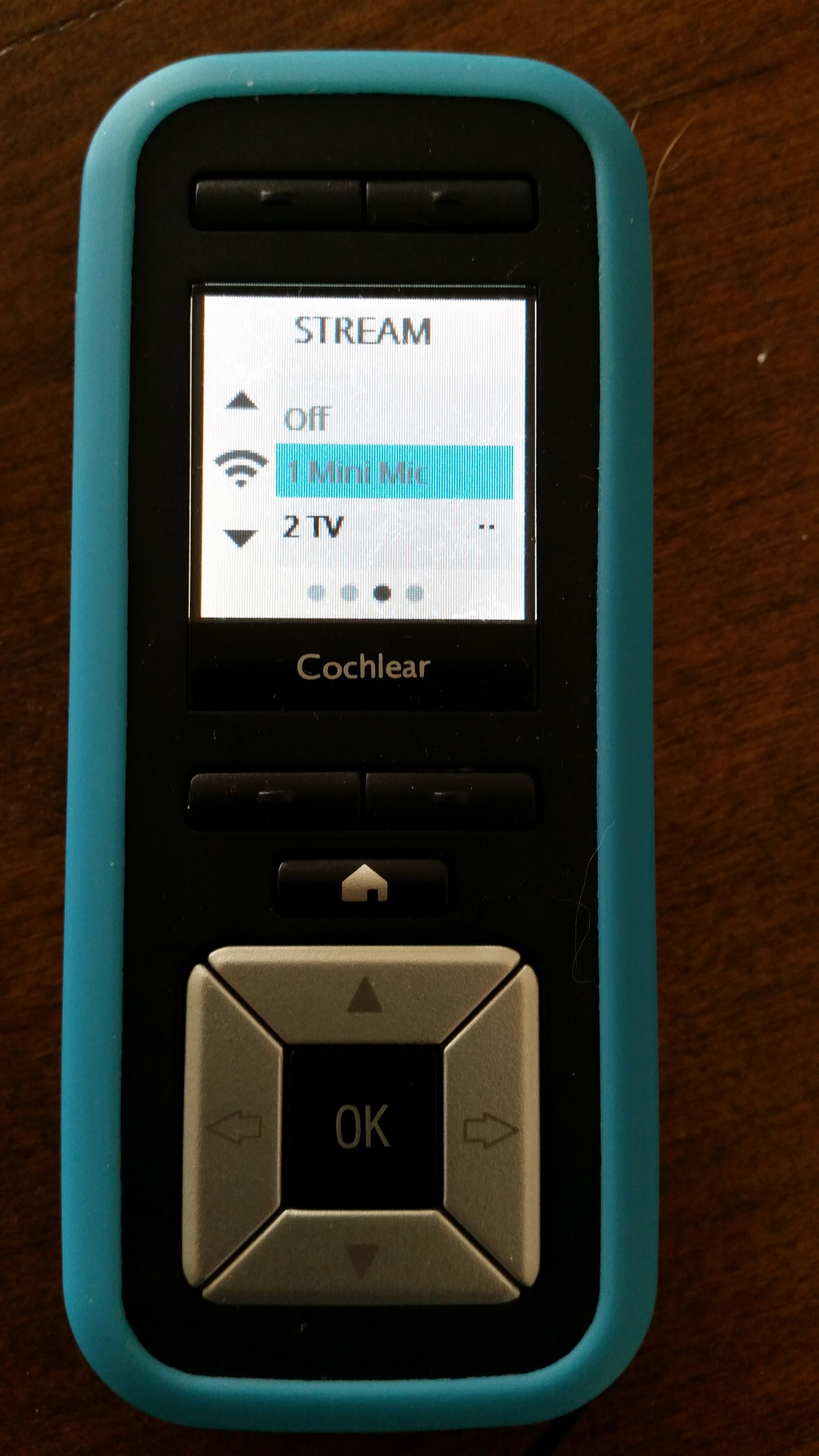
Once the devices are paired, you can start streaming with the TV Streamer or Mini Microphone with a long press of the telecoil button on your Remote Assistant or Remote Control.  Or you can do a long press of the upper button on the Nucleus 6.

Mini Mic and TV stream on remote

Selecting an accessory

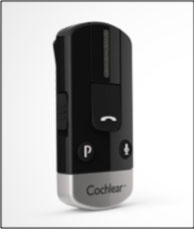
The Phone Clip + has its own call pick up/hang up button.

Mini Microphone

008

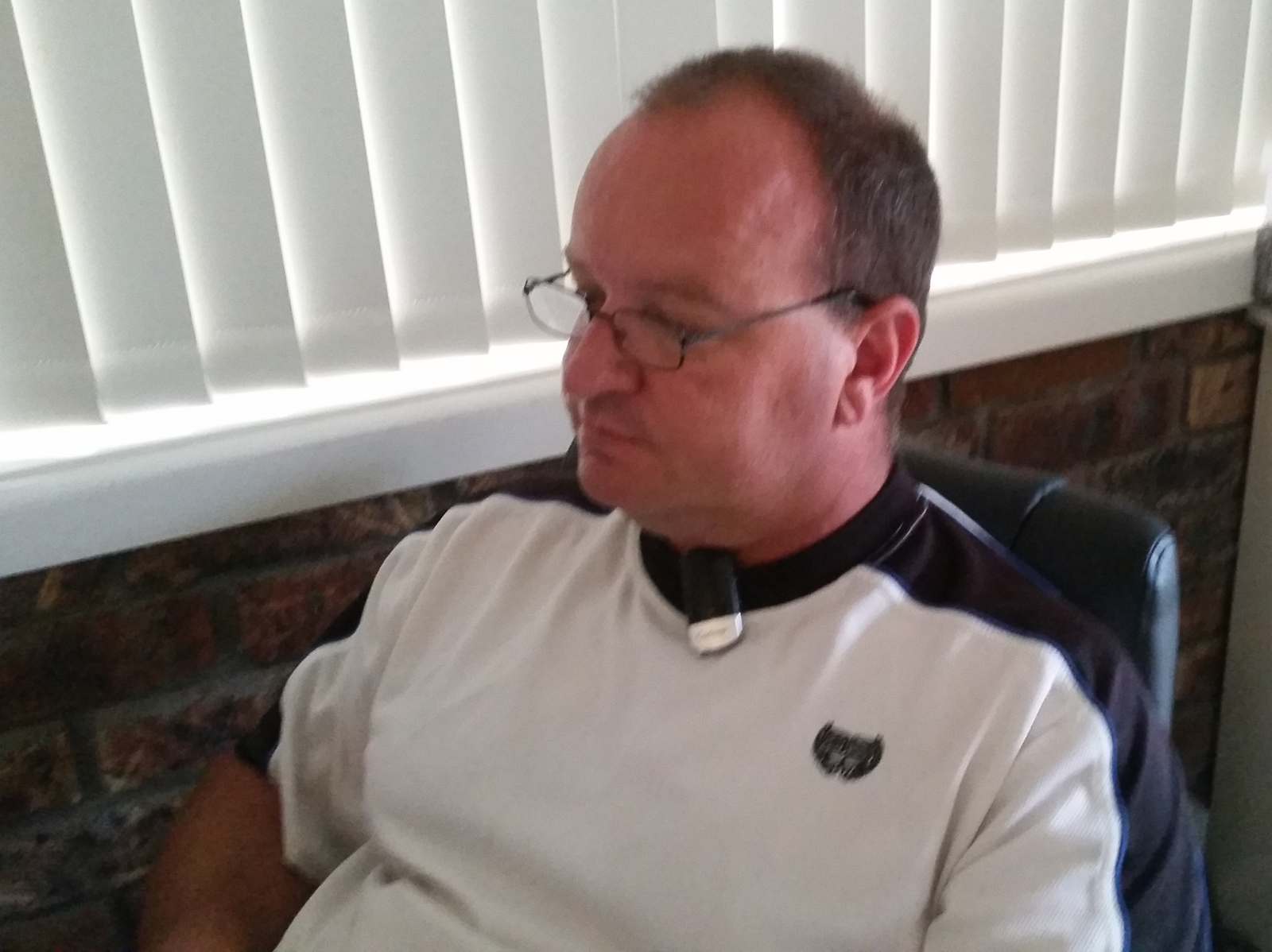
The Mini Microphone is inconspicuous – it even matches his shirt!

  • Hear from up to 7 metres
  • Switched on using your remote

This was easily my favourite product, a wonderful diverse product. I tested this in a number of situations.

  • One-on-one conversation in a very loud location-coffee shop at the crossroads of 2 main thoroughfares with very heavy traffic
  • A TV that did not have a TV streamer, placed under the speaker
  • Travelling on transport
  • Discussion with my husband
  • In a group that had a main speaker

My experience was:

  • Clear speech, I was able to follow the speaker in all situations
  • The background noise was low and the speaker’s voice was loud
  • The voice was clear in all situations
  • The TV, while not the same sound as the TV streamer, it’s clear with great clarity, a great solution for if you are visiting somewhere where you need to listen to a TV or radio
  • Light weight, easy to store and very portable
  • Very easy to use, switch the device on for the person who will wear it, adjust the volume using the buttons on the side as necessary, and select mini microphone on your remote.

The device can also have music and audio streamed directly to the Sound Processor using a supplied cable connected to the mini microphone and the audio device.  I haven’t tested this yet. The Mini Microphone is mono, so if you want true stereo, you have to use the Phone Clip + instead.

Mini Microphone quick guide

TV Streamer

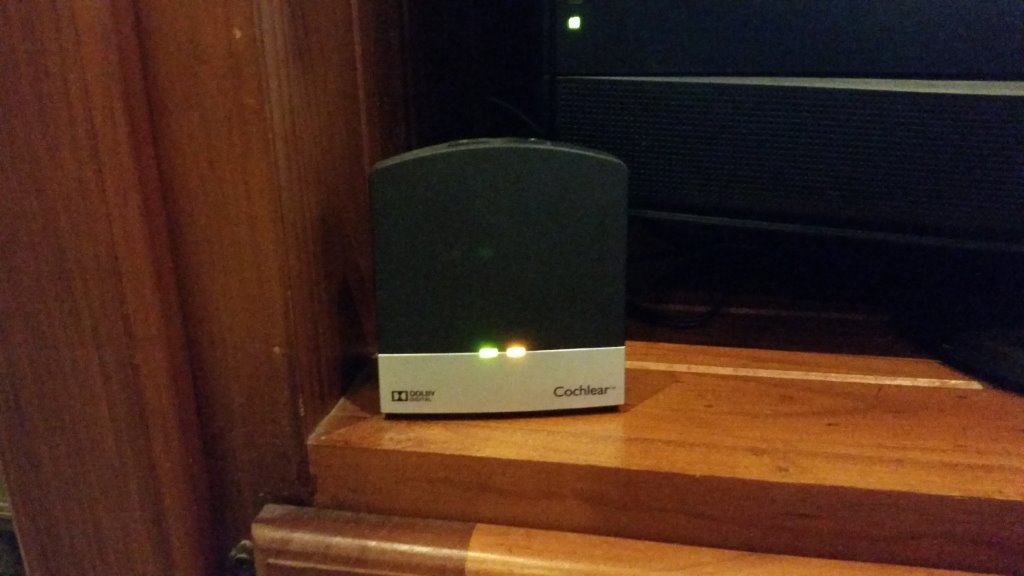
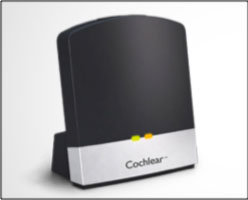
Cochlear wireless TV streamer

  • Stereo Sound

I tested this at home, my walls are double brick and floors tiled, the rooms tend to echo.

My experience was:

  • I found the stereo very clear
  • Able to listen to the TV from the living room while working in the kitchen
  • Easily adjust the volume on the TV Streamer
  • Easily switched on by remote

My only difficulty was:

  • When I listen to Stereo Sound on the TV Streamer, I find it hard to hear the conversation around me.  When adjusting the accessory mix to improve the sound around me, the person speaking is too soft to hear.. Since I have gone bilateral in Nov 2014, I found it much easier to just have the TV Streamer connected to one CI without adjusting the accessory mix to hear voices, while the other CI is used normally so I can hear people around me. I plan on testing the conversation around me again once my second CI has adjusted to hearing sounds.

TV Streamer quick guide

Here is how to change the accessory mix, which adjusts the loudness of the accessory input compared to the processor microphone.

Assessory Mix

Wireless Phone Clip

Christina Lamp with phone clipI tested this on different voices.

My experience was:

  • I could follow most conversations easy, there was clarity
  • A bad connection with static was more difficult but using the clip I was able to follow enough of the conversation
  • Very easy to use, one click for answer, if you can’t answer double click.
  • Clips easily to clothing
  • The background noise is muted so you can just concentrate on the voice
  • The area I live has reduced mobile connectivity but I was still able to have a good conversation even though the connections weren’t great
  • Sometimes in some calls the voices sounded not as clear like a landline does but it was explained by a hearing person that a mobile is not as clear as a landline anyway

You can also use the device to listen to music from your phone in stereo. I haven’t done this yet as prior to CI I had trouble hearing music. This will be a next step for me to learn after CI number 2 has settled.

Chris Lamp phone


Phone Clip quick guide

Conclusion

This was a wonderful outcome for me and I happily purchased all three products and they have improved my life.

Pre-CI I would have:

  • No voice clarity for the TV or loud coffee shop location
  • Heard only noise on transport
  • Relied totally on subtitles on TV
  • Only heard the voice on the phone with no clarity and a lot of noise
  • Sat in front of the speaker and tried my hardest to lip read

About the Author

Christina Lamp has had a hearing loss since she was 7 years old.  By time she was a teenager, she had become profoundly deaf.  Christina relied heavily on analogue hearing aids and lip reading to communicate.  After struggling with digital hearing aids, she received her first cochlear implant in March 2014 and then went bilateral in Nov 2014.  Christina and her sister both have cochlear implants, but the rest of their family is hearing.

Cochlear Announces Availability of Nucleus 6 Wireless Features

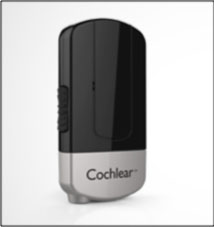
Cochlear announces that the wireless accessories for the Nucleus 6 processors are finally available! These include the Mini Microphone, the Phone Clip, and the TV Streamer.

wireless-mini-mic

Mini Microphone

Hear no matter where you go.

The Mini Microphone gives you the freedom to hear more clearly no matter where you are. From lecture halls to one-on-one conversations, use the portable wireless clip-on microphone to transmit speech and sound directly to your sound processor.

  • Clearer speech delivered straight to your sound processor
  • Lightweight and portable so you can use it anywhere
  • Do more with plug-and-play audio streaming

wireless-phone-clipPhone Clip

Disconnect. Then connect.

Bluetooth-enabled wireless gives you control over your smartphone device. The Phone Clip gives you a hands-free connection to friends and family using your smartphone. Make calls and carry conversations without having to take your phone out of your pocket. With Bluetooth technology, place and receive calls and adjust volume at the touch of a button.

  • Hands-free streaming directly from the phone to you
  • Block out surrounding noise so you can enjoy comfortable conversations even in noisy places
  • True Bluetooth control

wireless-tv-streamerTV Streamer

Expand your TV experience.

Enjoy stereo sound directly from your TV. With the TV Streamer, you don’t have to choose between your favorite TV show and taking part in conversation. You get a balanced experience with sound from the TV streamed directly to your sound processor while you’re still switched on to what’s going on around you.

  • Don’t disturb others while watching your favorite show
  • Watch TV without overpowering or cutting sounds from the microphone on your sound processor
  • Easy connection and automatic reconnection

Advanced Bionics Receives CE Mark Approval of Expanded MRI Compatibility for Cochlear Implants

— HiRes 90K and HiRes 90K Advantage cochlear implants allow 1.5T MRI scans with the CI magnet in place —

Valencia, Calif., February 3, 2015— Advanced Bionics (AB), a global leader in cochlear implant technology and a company of the Sonova Group, announced today that the HiRes 90K™ and HiRes 90K™ Advantage cochlear implants have received CE Mark approval from the European Notified Body, TÜV, to undergo 1.5T MRI scans without removing the internal magnet. Previously, these devices had regulatory approval to undergo MRI scans only if the magnet was removed.

Magnetic Resonance Imaging (MRI) is an increasingly common tool for diagnosing conditions such as cancer and heart disease. This additional compatibility for MRI scans while the CI magnet remains in place helps simplify the diagnostic process by avoiding additional pre- and post-MRI procedures to remove and then to replace the magnet. “Advanced Bionics prioritizes the safety and well-being of patients with our cochlear implants. We are very pleased to offer patients this additional compatibility with MRI diagnostic equipment,” said Hansjuerg Emch, Group Vice President Medical of the Sonova Group.

Cochlear implants are implanted just beneath the skin, and use magnets to link the internal and external components of the CI system. The internal component of the AB cochlear implant system includes electronics and an electrode array that deliver AB’s proprietary current steering technology for hearing that more closely resembles normal hearing. The newest AB electrode array, the HiFocus™ Mid-Scalaelectrode, was designed for optimal placement in the cochlea with low insertion force to protect its delicate structures. The HiFocus Mid-Scala electrode accommodates the latest soft surgery approaches, including round window insertion, to suit surgeon preferences and individual recipient needs. The patented design allows for ideal placement so recipients have the opportunity to hear the most pitches possible for enjoying music and improved speech understanding.

The external component of the AB cochlear implant system includes a sound processor that sends signals via the headpiece to the internal component. Partnering with Phonak, the world leader in hearing instruments, AB brings its innovative, industry-leading technology to help people with significant hearing loss for whom hearing aids are no longer sufficient. The combination of AB and Phonak technologies makes the Naída CI the most advanced sound processor available, offering high-performance hearing in all environments, 100% wireless connectivity to consumer electronics, bimodal capabilities that allow streaming to the processor and a compatible Phonak hearing aid at the same time.

For more information about AB’s innovative hearing technology, visit AdvancedBionics.com, or follow AB on FacebookTwitterYouTube, and Pinterest.

About Advanced Bionics

Advanced Bionics is a global leader in developing the most advanced cochlear implant systems in the world. Founded in 1993 and a subsidiary of the Sonova Group since 2009, AB develops cutting-edge cochlear implant technology that allows recipients to hear their best.

AB offers the most sophisticated cochlear implant system on the market, the HiResolution™ Bionic Ear System, with five times more sound resolution than its competitors, designed to help recipients hear in noisy settings and enjoy the full dimensions of music and tonal languages.

With sales in over 50 countries and a proven track record for developing high-performing, state of-the-art products, AB’s talented group of technologists and professionals from all over the world are driven to succeed, work with integrity and stay firmly committed to quality.

To learn more about AB and its innovative cochlear implant technology, please visit
AdvancedBionics.com.

Media Contact:
Cheryl Garma
Advanced Bionics
661.362.1400
MediaInquiries@AdvancedBionics.com

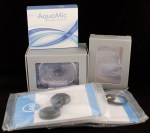
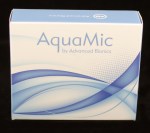
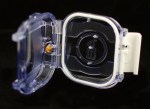
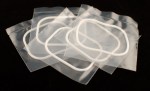
Advanced Bionics AquaCase Unboxing

Click on an image to see the full-size version!

FDA Approves MED-EL’s SYNCHRONY Cochlear Implant

SYNCHRONY is the first and only cochlear implant approved for 3.0T MRI without magnet removal

Synchrony

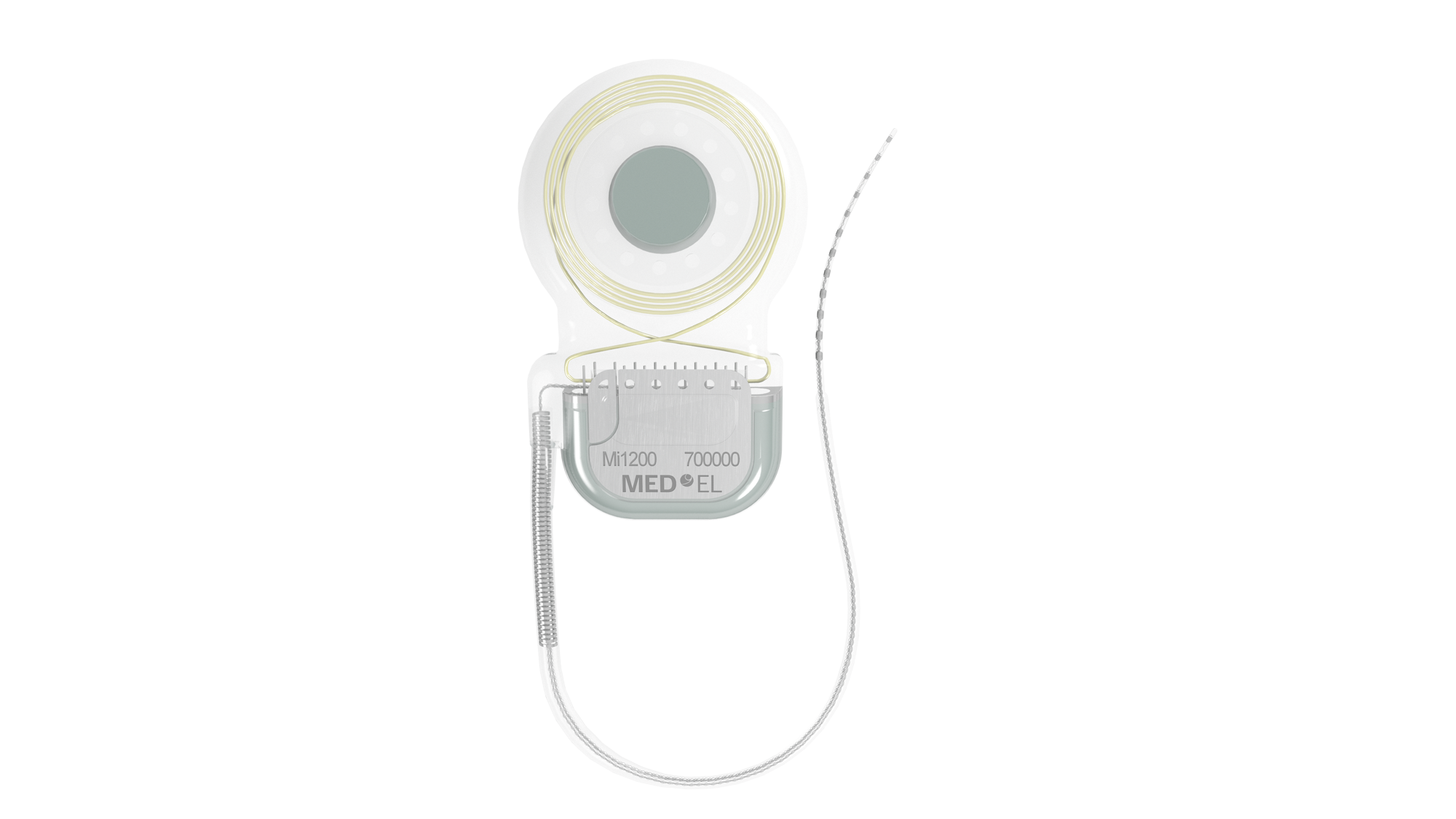
January 23, 2015 – (DURHAM, NC) – MED-EL USA announced today that the U.S. Food and Drug Administration has approved the new SYNCHRONY cochlear implant. For the first time, a cochlear implant has been approved for use with 3.0 Tesla (T) MRI without the surgical removal of the internal magnet; it is the only implant available with this indication in the USA. SYNCHRONY will be available in spring 2015.

“MED-EL has continued its unprecedented advancement in the area of cochlear implant and MRI safety,” said Raymond Gamble, President & CEO, MED-EL North America. “We are thrilled to be able to offer SYNCHRONY, which has revolutionized the cochlear implant landscape around the world, here in the United States.”

SYNCHRONY is compatible with all current MED-EL audio processors, including the recently approved SONNET. Like all MED-EL implants, it is designed to be future ready for the latest technology as it becomes available. It is the smallest and lightest titanium cochlear implant on the market, making it the ideal choice for even the youngest candidates.

Revolutionary Magnet Design

Magnetic resonance imaging (MRI) is a technique that uses a magnetic field and radio waves to create detailed images of the organs and tissues within the body. During an MRI, SYNCHRONY’s magnet freely rotates and self-aligns within its titanium housing, greatly reducing implant torque and the risk of demagnetization during MRI scans. This design enables high-resolution 3.0T MRI scans without the need for magnet removal.

The revolutionary conical design of the removable magnet housing greatly reduces the risk of magnet dislocation or migration. The implant features a polymer stiffening ring within the silicone implant body to further secure the magnet housing. Additionally, the magnet can only be removed from the bottom side of the implant, making dislocation of the magnet due to trauma almost impossible.

The implant is MR Conditional allowing MRI scans at 3.0T with the magnet in place. SYNCHRONY’s magnet housing can also be substituted with a non-magnetic spacer for MRI head scans with minimal image distortion in the implant area. The removable magnet housing features a protective coating to prevent unwanted cellular adhesion, simplifying the removal and replacement of the implant magnet. The incision for magnet exchange is made beside the implant, rather than directly over the implant, allowing uninterrupted hearing.

The SYNCHRONY PIN implant option also features titanium fixation pins proven to secure the placement of the implant for outstanding stability. SYNCHRONY incorporates MED-EL’s FLEX electrode arrays, which provide complete coverage of the cochlea for superior hearing performance and are engineered to preserve delicate cochlear structures for future advancements.